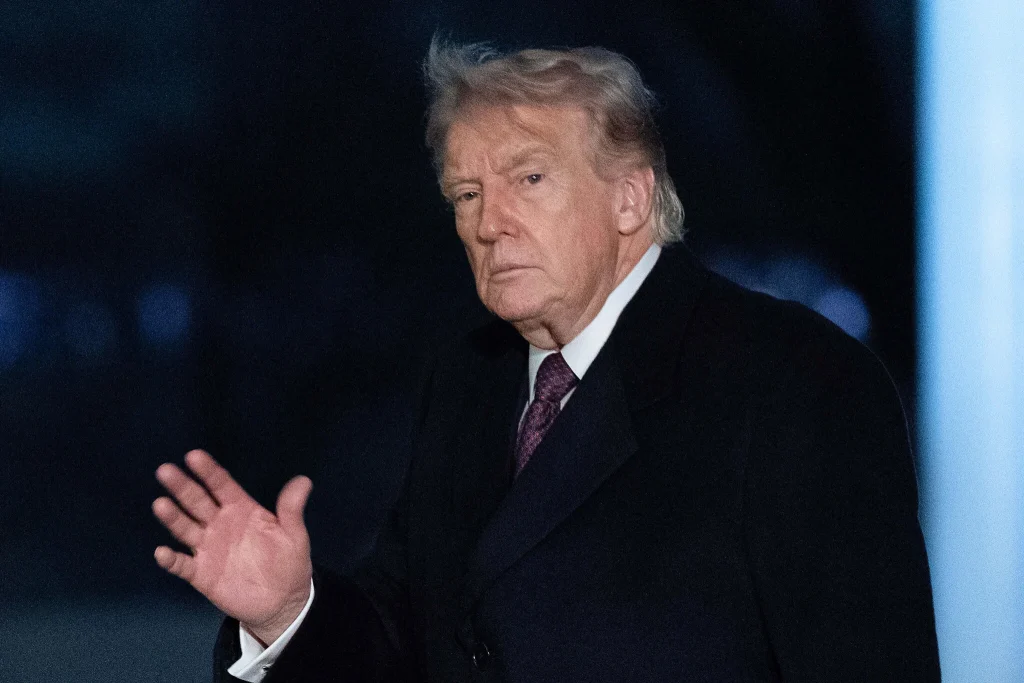
Trump under pressure after Iran conflict, warns NATO of consequences
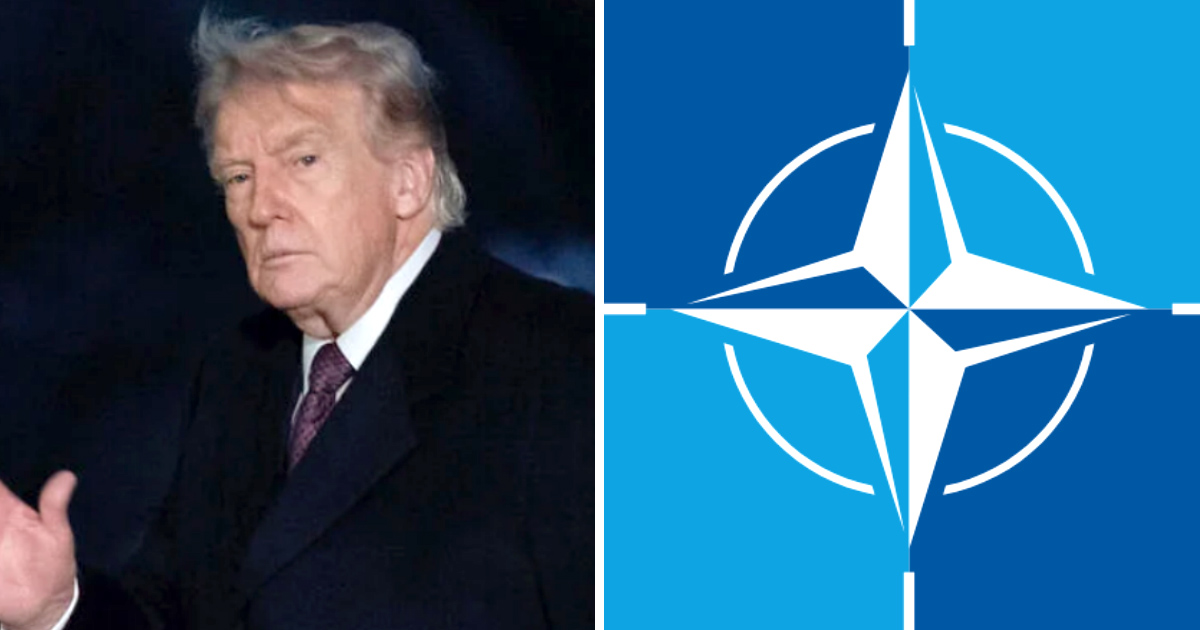
Agencies – U.S. President Donald Trump appears to be under growing strain following developments in the conflict with Iran, particularly after reports of major damage to American defense systems in the Middle East. He has also taken his concerns to the North Atlantic Treaty Organization (NATO). Trump has warned NATO allies that they could face serious consequences if they do not help keep the Strait of Hormuz open. His remarks have added to existing tensions within the alliance, especially after earlier controversy over his interest in Greenland. The latest developments have fueled fresh concerns about divisions within NATO. The United States is reported to have suffered significant setbacks in the conflict. Around 40,000 troops stationed in the Middle East, along with an additional 13,000 deployed later, are said to be in a difficult position. Iran has called for a complete and permanent withdrawal of U.S. forces from the region, a demand that has strengthened broader regional unity and increased pressure on Washington. Major U.S. media outlets, including CNN and The New York Times, have begun criticizing the handling of the situation, describing it as the result of poor decisions by Trump and his advisers. CNN has warned that the U.S. risks losing its presence in the region altogether. Meanwhile, Israel’s Jerusalem Post has suggested that Washington may be looking for a way out of the conflict, raising concerns about the implications for Israel. Iran is also reported to have carried out repeated missile strikes on U.S. military bases across the Middle East, including in Saudi Arabia, Kuwait, Bahrain, Qatar, the UAE, Oman, and Iraq, damaging key defense systems. In Saudi Arabia, several high-value aerial refueling aircraft are said to have been destroyed. Two U.S. aircraft carriers deployed to the region, the USS Abraham Lincoln and the USS Gerald Ford, have reportedly come under drone attacks and moved farther away to avoid further risk. With rising costs, damaged defense infrastructure, and increasing difficulty in protecting troops, the situation has become more complex for the United States. There are signs that Washington is attempting to ease tensions with Russia, including a possible softening of sanctions, even as it expresses frustration with allies that have declined to offer support. As the conflict grows more expensive, Trump appears to be seeking closer ties with Russian President Vladimir Putin while openly criticizing allied countries for their lack of support. In recent days, his tone has shifted, with a more subdued demeanor and sharper warnings directed at partners. Despite pressure from Washington, countries such as Japan and Australia have made it clear they will not support any conflict with Iran. NATO currently consists of 32 member states, but several key allies have shown reluctance to get involved. The United Kingdom has said it will not participate, Canada is not prepared for war, and Spain has refused to allow U.S. forces to use its airspace for strikes on Iran. Japan has also declined to assist in the Strait of Hormuz, citing legal constraints. With no NATO member under direct attack and the perception that the U.S. initiated the conflict, many allies remain unwilling to offer support, leaving Washington increasingly isolated as tensions continue to rise.