
Anu Once Hesitated to Become an Insurance Agent, Now She Sees a Future in the Profession
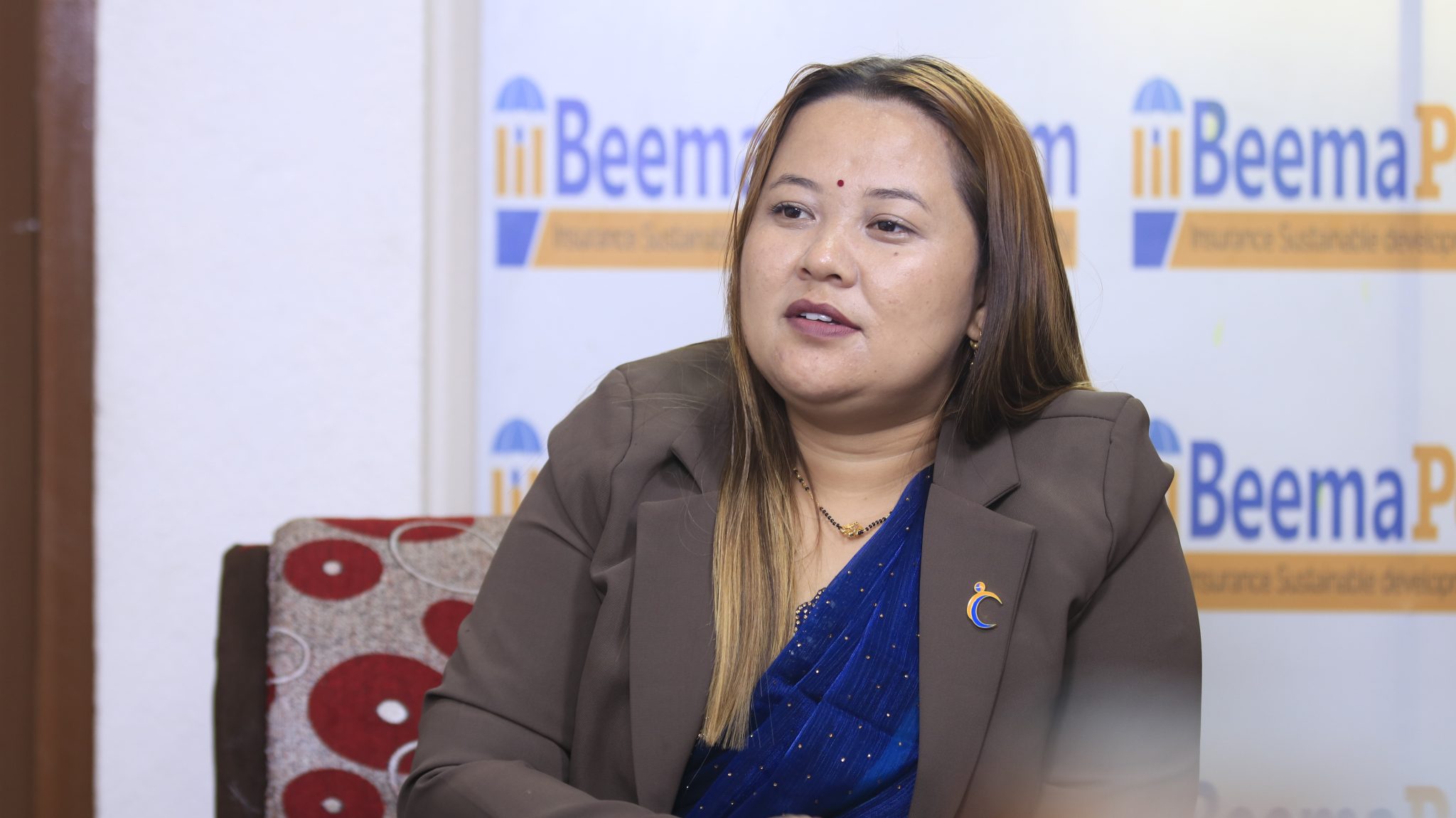
Kathmandu — Becoming an insurance agent was never part of Anu Tamang’s plan. Even when relatives suggested that she take up the profession, she was reluctant. She worried that problems might arise in the future or that she could face allegations. However, her perspective changed after attending a training program. Listening to the trainers explain insurance and the role of agents made her realize that it was a worthwhile profession. What began as a tentative step has now taken her to the position of Senior Agency Manager at Citizen Life Insurance.
Anu, who once hesitated even to become an agent, now helps people understand the importance of insurance and encourages them to secure their financial future. She says the training sparked her interest in the profession, and she decided to follow the guidance provided by the trainers. Determined to pursue it seriously, she became an agent and achieved success in her very first month. Building trust among family members and friends gave her confidence and encouraged her to continue in the profession.
Her first insurance policy as an agent was sold to a friend. When Anu suggested that her friend purchase insurance, the proposal was readily accepted. The positive response to her first attempt boosted her confidence. She then began explaining insurance to people she already knew. Starting with familiar contacts made the work easier, and she gradually expanded her reach.
However, working as an insurance agent has also made her realize that insurance awareness remains limited in Nepali society. People are often willing to spend freely on travel and entertainment but hesitate to purchase insurance to protect their own future. She says many people still worry that their money might get stuck, that they may not receive it back, or that an insurance company might shut down.
“Insurance itself is not wrong. Problems can arise when people purchase insurance without understanding it or fail to comply with its terms and conditions,” she says. According to Anu, some people judge insurance companies based on their negative experiences with financial institutions and cooperatives where they have lost money. She also believes that rumors spread by some individuals against insurance contribute to such perceptions.
She often recalls a popular saying: earning money alone does not make someone wealthy; saving is also necessary. However, she feels that many people overlook this principle. While spending may seem easy when money is available, people do not always consider the financial risks they may face in the future. She says changing this mindset is essential.
Anu now sells insurance by visiting customers at their homes and through online platforms. Nepalis living abroad, in particular, purchase policies online. She has also encountered customers who know a little about insurance but have never purchased a policy. Some choose a policy they already like, while she helps others select suitable plans after understanding their family’s financial circumstances and needs.
Her priority is not the number of policies sold but ensuring that customers purchase insurance they can afford. “Insurance is meaningful only when it is purchased according to one’s financial capacity. Otherwise, there is a possibility that the policyholder may have to surrender the policy before maturity,” she says. She believes early surrender can create financial difficulties for customers and may also lead to negative perceptions of insurance. Therefore, she advises agents to consider a customer’s income, family responsibilities and future needs before recommending a policy.
She has also observed another problem in the insurance sector. An agent may visit a customer and thoroughly explain a policy offered by one company. Later, an agent from another company may approach the same customer and claim that their company’s policy is better. Hearing different explanations from different agents can leave customers confused about which policy is better and which one they should choose. As a result, even customers who were initially ready to purchase insurance sometimes reconsider their decisions. Anu believes agents should provide accurate information and help customers make informed decisions rather than create confusion.
For Anu, insurance is not merely a profession or business; it is also connected to her own family’s experience. Her father previously served in the Nepali Army. After retiring, he went abroad for employment but had to return after becoming completely disabled within a short period. At the time, her family members were still young. That experience brought home the importance of financial security.
She recalls, “If someone had explained insurance to my father and helped him purchase a policy at the time, he might have been eligible for a monthly income benefit in the event of total disability. That could have provided considerable financial relief to our family.” This experience strengthened her belief that insurance should be purchased on time. “Insurance is savings today and protection for tomorrow. You cannot wait until something happens and then decide to get insured. You should purchase insurance while you are healthy,” she says.
In her view, insurance is an essential financial tool for everyone. People from all economic backgrounds need insurance, but it is particularly important for middle- and lower-income families. While wealthier people are more likely to understand the need for insurance and purchase policies, she says insurance coverage has yet to reach many financially vulnerable households.
Anu also challenges the misconception that purchasing insurance requires a large amount of money. “People can start with a small amount based on their needs and financial capacity. Citizen Life offers various policies with annual premiums starting at a minimum of Rs 7,500, while customers can choose higher coverage according to what they can afford,” she says. Rather than worrying about whether they will be able to pay the premiums, she advises people to select plans that match their financial circumstances.
To explain the importance of insurance, Anu often uses an interesting example: “A person selling milk has to visit homes, but customers go to the home of someone selling alcohol themselves.” She explains that even though milk is a healthy and essential product, sellers have to approach customers to sell it, whereas people willingly seek out alcohol. Insurance, she says, is similar. Despite being essential, people do not always come forward on their own to purchase it. This is why agents have to visit households and explain its benefits.
She believes the government also needs to take necessary steps to expand the insurance market. According to her, the government should introduce appropriate policies and effectively implement mandatory insurance provisions to help people understand insurance as an essential means of financial protection and broaden access to coverage.
Referring to the recent floods in Rasuwa, she says the financial consequences of disasters become even more severe when people do not have insurance. The disaster devastated the lives of many families and destroyed the financial support on which numerous households depended. While the emotional impact of natural disasters is immense, she says the financial crisis families face afterwards can be equally serious. Had they been insured, much of the financial burden arising from physical losses could at least have been compensated.
Anu believes insurance not only provides financial protection during times of risk but also encourages people to develop a habit of saving. Without insurance, people may be tempted to spend unnecessarily when they have money available. However, those who purchase insurance have to pay regular premiums, which can encourage them to reduce unnecessary spending and set aside money for the future. In this way, she says, insurance also helps people develop financial discipline.
Drawing on her experience as an agent and the lessons she has learned from her family, Anu says with conviction, “Insurance is not for someone else; it is for your own future. A small amount saved today, while you are healthy and capable, can become a major source of support when you face difficult circumstances tomorrow. Insurance is not something you buy for the agent; you buy it for yourself. If something happens to you or your policy reaches maturity, it is you, not the agent, who receives the claim.”
Anu, who initially had no desire to become an insurance agent, now uses the same profession to help others understand the importance of financial security. Her experience offers a simple reminder: no one knows what the future holds, but everyone can prepare for it today. She encourages people to purchase insurance in a timely manner, choosing policies that suit their financial capacity and needs, to build a more secure future.