
Oli Faces Legal Action as Accountability Drive Begins Under New Government
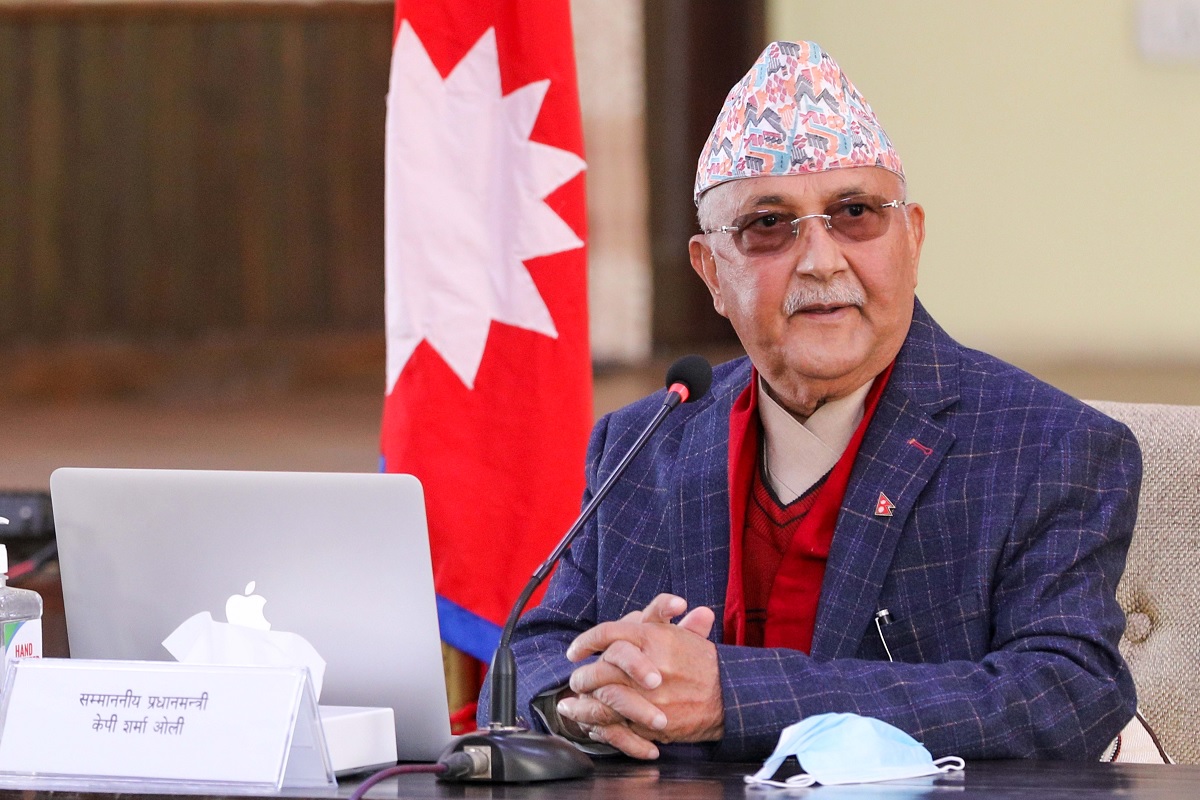
Kathmandu — Former Prime Minister K.P. Sharma Oli, who has been accused of fleeing the scene by helicopter during the Gen-Z protests, has been taken into police custody along with former Home Minister Ramesh Lekhak over their alleged role in the state crackdown on student-led demonstrations in Kathmandu on September 8, 2025, and September 9, 2025, marking one of the most dramatic political developments since the formation of the new administration.
Police had already intensified security around Oli’s residence in Gundu from Friday night, with the area placed under a tight perimeter as intelligence and security agencies coordinated their next steps. Early Saturday morning, arrest warrants were formally served, after which both leaders were taken into custody in a swift operation that authorities say was carried out under full legal authorization. The move, coming within 24 hours of the formation of the new government, is widely being interpreted as an early and deliberate signal that the new leadership intends to enforce accountability at the highest levels of the state without delay.
The government led by Prime Minister Balen Shah, in its first cabinet meeting, decided to move forward with the implementation of the Gauri Bahadur Karki Commission report, effectively opening the door for criminal investigations and possible prosecutions against former top officials. The decision has been described by officials as a foundational step in establishing the administration’s governance agenda, particularly in relation to transitional justice, public accountability, and restoring institutional trust after months of political unrest and public dissatisfaction.
The Gen-Z protests themselves are now regarded as one of the most tragic and politically defining episodes in Nepal’s recent democratic history. What began as a youth-led movement demanding an end to corruption, improved governance, and the protection of civil liberties escalated rapidly after security forces responded with lethal force. According to the commission’s findings, the state response was marked not by de-escalation or dialogue, but by a systematic reliance on suppression, a conclusion that has since intensified public scrutiny of the decisions taken by those in power at the time.
The commission’s report directly implicated then–Prime Minister Oli and then Home Minister Lekhak, recommending a full criminal investigation into their roles in the chain of command during the crackdown. Particular focus has been placed on the Baneshwor incident, where students reportedly still in school uniforms were shot at by security forces, an event that has since been widely condemned as a grave violation of human rights. With 76 deaths reported across the protests, the scale of the tragedy triggered nationwide outrage and deepened mistrust between citizens and the state.
Beyond the legal findings, the broader political and moral implications of the incident have become central to public debate, particularly the allegation that those entrusted with safeguarding civilian lives instead authorized or enabled the use of deadly force. Following the deaths of 19 people on September 8, 2025, the protests escalated dramatically on September 9, 2025, eventually spreading across the country and exposing what many observers have described as a complete breakdown of governance and crisis management during a critical moment in the nation’s political trajectory.
Amid the chaos, reports that Oli was evacuated by helicopter to a secure location further inflamed public anger and became a symbolic turning point in the crisis, reinforcing perceptions of elite detachment from the suffering on the streets. The political fallout from these events eventually culminated in the formation of an interim government under Sushila Karki, with national elections held on March 5, 2026, in which the Rastriya Swatantra Party emerged as a dominant political force, signaling a significant shift in the country’s electoral landscape.
Since the change in government, public expectations have risen sharply, particularly among the families of those who lost their lives during the protests, many of whom have continued to demand justice and accountability without compromise. For these groups, the arrests of Oli and Lekhak are being viewed not merely as a legal development but as a long-awaited turning point in a process of national reckoning, one that they hope will finally acknowledge the scale of loss and suffering experienced during the unrest.
Home Minister Sudhan Gurung set the tone for the administration’s approach immediately after taking office, making it clear that the recommendations of the commission would not remain on paper but would be actively enforced. His early actions, including paying tribute to the victims of the Gen-Z movement, were intended to signal both symbolic recognition and political commitment to addressing the grievances that fueled the protests in the first place.
Following the cabinet’s formal decision, the Home Ministry entered into detailed consultations with security agencies, including a high-level two-hour coordination meeting with officials from the Nepal Police and Armed Police Force to design and approve the operational plan. This was followed by a nationwide alert issued late Friday night from police headquarters and the Armed Police Force headquarters, placing all units on standby and instructing security personnel across the Kathmandu Valley’s three districts to maintain heightened readiness amid concerns over potential instability.
Before the arrests were executed, legal experts, including Law Secretary Parashwar Dhungana, were consulted to ensure procedural compliance and assess possible legal and security challenges that could arise from detaining such high-profile political figures. After formal written authorization was issued, police proceeded with the arrests early Saturday morning under a coordinated plan that officials describe as both legally grounded and operationally precautionary.
Judicial proceedings are now expected to follow in the coming days, with the case likely to test both the legal framework and the political resolve of the new administration. While formally treated as a matter of criminal accountability, the developments also carry deep political and moral significance, reflecting unresolved tensions from one of the deadliest episodes in recent political memory. The deaths of 76 people and the enduring grief of their families remain a profound national trauma, and the government’s swift action has been widely interpreted as an effort to restore public confidence, reaffirm institutional authority, and signal a decisive break from past practices of impunity.