
Microinsurance Sector Lags in Modern Technology, Lack of Skilled Manpower and Technology Remains a Major Challenge
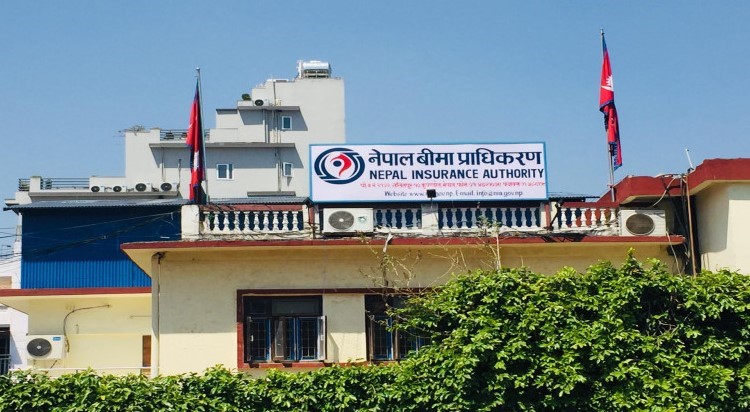
Kathmandu – Although the use of digital technology has started increasing in Nepal’s microinsurance companies, a shortage of skilled manpower, limited digital access and a lack of customer confidence in technology have emerged as major challenges to its implementation. A report published by the Nepal Insurance Authority shows that the digital transformation of micro non-life insurance remains at an earlier stage compared to micro life insurance.
The study report, titled Digital Transformation and InsurTech Readiness: A Pilot Assessment of Microinsurance Companies in Nepal, assessed the digital readiness of seven microinsurance companies.
According to the report, micro life insurance companies have introduced services such as online KYC, mobile applications, websites and SMS notifications. However, physical verification of documents is still required in the claims process. In micro non-life insurance, policy issuance is still carried out mainly through agents or in the physical presence of customers.
The limited availability of information technology personnel within companies has emerged as another challenge. The study points out that IT teams consisting of only one or two employees are often responsible for managing the technical requirements of multiple branches.
Similarly, limited banking access and digital literacy in rural areas, problems with payment systems and customers’ lack of confidence in technology have hindered the expansion of digital services. The report also notes that some information required to be published on company websites has not been made fully available.
To address these challenges, the Authority’s study recommends establishing dedicated IT teams consisting of at least two to three employees, introducing online services through simple insurance products and digitizing claim payments.
It also recommends collecting premiums and making claim payments through mobile wallets, conducting digital literacy programs in local languages, and placing greater emphasis on regular IT audits and cybersecurity systems.
The report concludes that merely providing technology is not sufficient to achieve the digital transformation of microinsurance. Confidence in digital insurance can increase only when services are made simple, transparent and accessible to customers in rural areas.