
Shared Glaciers, Shared Risk: The Case for Pakistan–Nepal Climate Cooperation
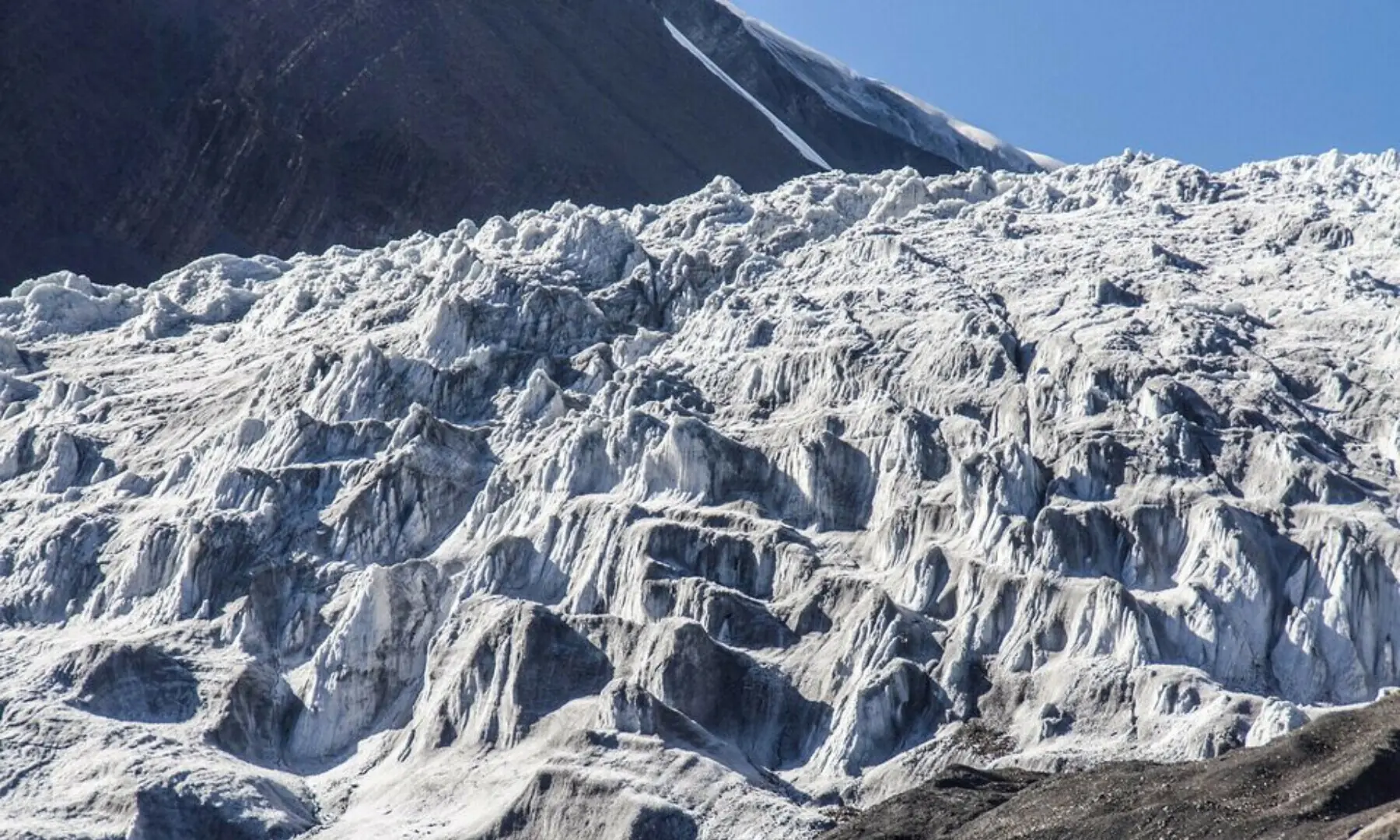
Glaciers across the Hindu Kush Himalaya are losing ice at double the pre-2000 rate, exposing downstream countries to floods and water shortages, according to the Kathmandu-based International Centre for Integrated Mountain Development (ICIMOD).
The region’s glaciers have thinned by up to 27 metres since 1975. Pakistan, with about 13,000 glaciers, is especially vulnerable: roughly 70 percent of the Indus River’s flow comes from glacier and snowmelt, sustaining its agriculture and hydropower.
The 2022 floods, when melting ice met extreme rain, killed more than 1,700 people, affected 33 million and caused over $30 billion in damages. Flash floods in Gilgit-Baltistan’s Thore Valley this year show the risk persists. About 3,000 glacial lakes have been identified in Pakistan’s north, some considered dangerously unstable.
Nepal faces the same threat around Everest and has built early-warning systems and evacuation plans for valleys at risk of lake outbursts. Pakistan, in turn, has experience forecasting floods across the Indus basin and managing glacier-fed irrigation at scale. Each holds one half of a solution neither can build alone.
That is driving calls for closer cooperation. Joint glacier and hydrology monitoring, shared flood-forecasting models, and the transfer of Nepal’s lake-outburst expertise to Pakistan’s northern valleys are seen as practical starting points, building on ICIMOD’s work across its eight member countries.
Such a partnership would also sit outside the geopolitics that usually frame both nations’ regional ties, focusing on rivers and ice rather than alliances or rivalries.
The urgency is clear. Even if warming is held to 1.5°C, the region is projected to lose about a third of its glacier volume by 2100, and up to two-thirds under weaker climate action.
Photo Courtesy: Tika Gurung via Reuters