
US and Iran Reach 14-Point Draft Agreement to End War, Launch Nuclear Talks and Lift Sanctions
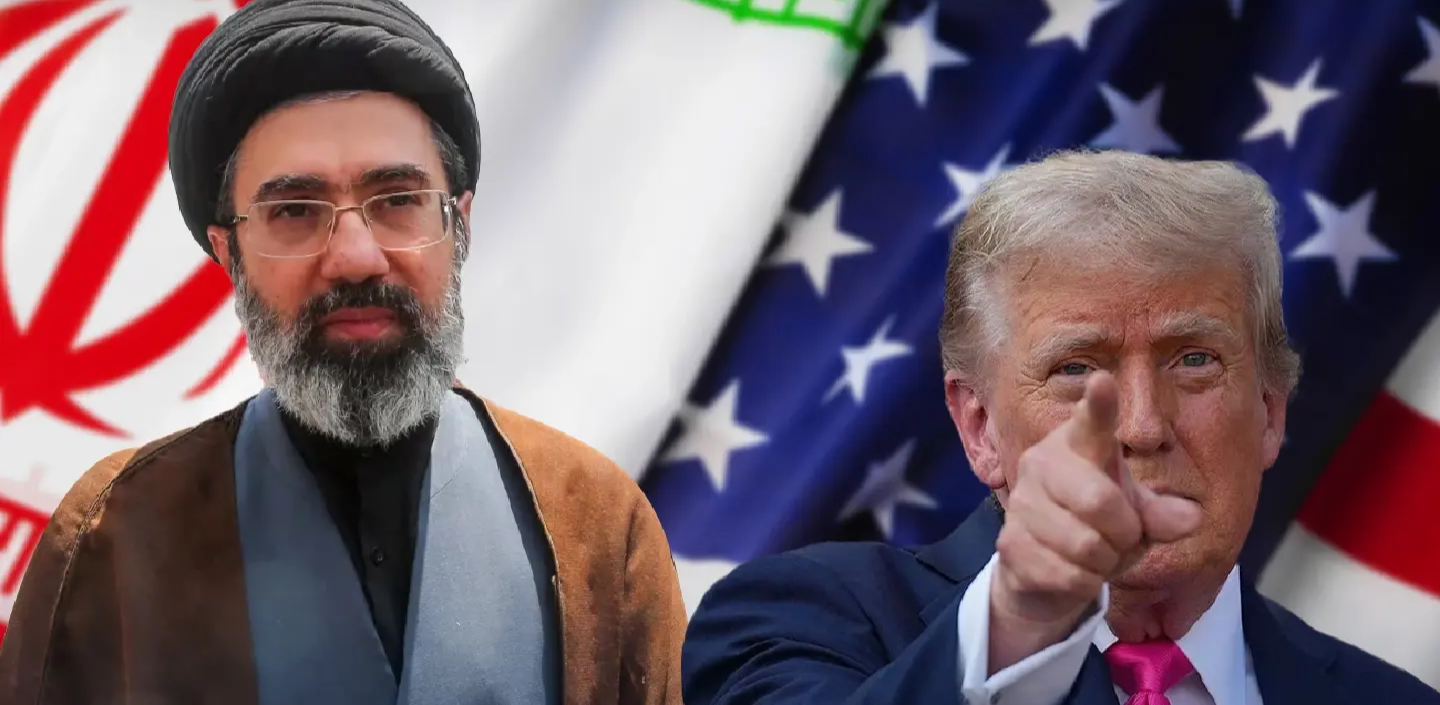
International — The United States and Iran are expected to sign a landmark Memorandum of Understanding in Switzerland on June 19 that would formally end hostilities between the two countries and open the door to comprehensive negotiations aimed at resolving decades of conflict, sanctions disputes, and concerns over Iran’s nuclear program.
The draft 14-point agreement establishes an immediate and permanent ceasefire between the United States, Iran, and their respective allies engaged in the conflict, including Israel’s military operating in Lebanon. Under the memorandum, both sides pledge to cease all military operations, refrain from threats or the use of force, and commit to respecting each other’s sovereignty, territorial integrity, and political independence. The agreement also includes a mutual commitment not to interfere in each other’s domestic affairs.
1. Permanent End to Hostilities
The United States, Iran, and their allies agree to an immediate and permanent ceasefire across all fronts, including Lebanon, and pledge not to undertake any hostile action, threat, or use of force against one another.
2. Mutual Respect for Sovereignty
Both countries commit to respecting each other’s sovereignty, territorial integrity, and political independence, while refraining from interference in internal affairs.
3. 60-Day Negotiation Period
The parties agree to negotiate a final agreement within 60 days, with the possibility of extending the deadline through mutual consent.
4. Restoration of Iranian Maritime Trade
The United States will lift restrictions on Iranian maritime commerce, restore shipping activity to pre-war levels within 30 days, and withdraw military forces from surrounding operational areas after a final agreement is reached.
5. Reopening Gulf Shipping Routes
Iran will restore the safe movement of merchant vessels through the Persian Gulf and Sea of Oman, including mine-clearing and the removal of technical obstacles, with shipping returning to pre-war levels within 30 days.
6. $300 Billion Economic Development Plan
The United States and regional partners will develop a comprehensive economic rehabilitation and development program for Iran, backed by at least $300 billion in financing.
7. Comprehensive Sanctions Relief
Washington commits to ending all sanctions against Iran under an agreed timetable, including UN-related measures, IAEA-linked restrictions, and U.S. primary and secondary sanctions.
8. Nuclear Commitments
Iran reiterates that it will never develop nuclear weapons. Both sides agree that the future of Iran’s enriched uranium stockpiles and other nuclear-related issues will be resolved in the final agreement.
9. Maintaining the Status Quo During Talks
Until a final agreement is reached, Iran will maintain its current nuclear activities without expansion, while the United States will refrain from imposing new sanctions or increasing military deployments in the region.
10. Immediate Oil Export Waivers
The U.S. Treasury will issue waivers allowing Iranian exports of crude oil, petrochemicals, and related products, along with associated banking, insurance, transportation, and commercial services.
11. Release of Frozen Assets
The United States will facilitate the gradual release of Iranian funds and assets frozen abroad and ensure their full availability for use by the Central Bank of Iran as negotiations progress.
12. Joint Implementation Mechanism
Both sides will establish a monitoring and implementation body to oversee compliance with the final agreement and ensure future commitments are fulfilled.
13. Negotiations Conditional on Early Implementation
Formal negotiations on the remaining provisions of the final agreement will proceed once both parties verify implementation of key confidence-building measures, including shipping access, sanctions waivers, and asset releases.
14. UN Security Council Endorsement
The final agreement will be codified through a binding United Nations Security Council resolution, providing international legal backing and enforcement mechanisms.
Should the final agreement be reached, it would receive international legal backing through a binding resolution of the United Nations Security Council, giving the accord formal international status and establishing a mechanism for long-term enforcement.
The proposed memorandum represents the most comprehensive attempt in years to address the full spectrum of disputes between Washington and Tehran, combining military de-escalation, nuclear restrictions, sanctions relief, economic reconstruction, and international guarantees into a single negotiating framework. While significant challenges remain before a final settlement can be reached, diplomats involved in the process view the agreement as a potential turning point in one of the Middle East’s longest-running geopolitical confrontations.
Photo Courtesy: The Nation