
Control of Water is Emerging as South Asia’s New Strategic Battleground
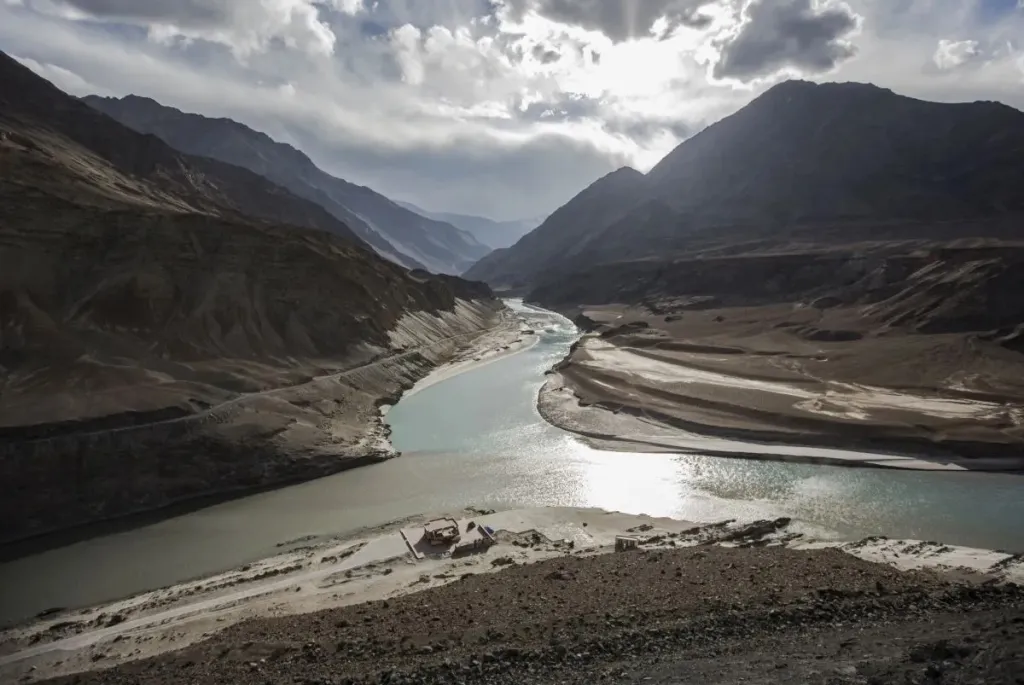
South Asia — Growing disputes over shared rivers are raising concerns about regional stability across South Asia, with water increasingly becoming a strategic and political issue rather than a purely environmental one.
Recently, Pakistan accused India of “weaponizing water” after New Delhi announced new infrastructure projects on the Chenab River, including a diversion tunnel and dam upgrades. Islamabad argues the projects could affect water flows governed by the 1960 Indus Waters Treaty (IWT), a landmark agreement that has regulated river sharing between the two countries for more than six decades.
The tensions have intensified since India suspended participation in the treaty following the April 2025 Pahalgam attack. Pakistan claims changes in Chenab River flows are already affecting its agriculture-dependent economy, while India maintains it is exercising its rights over water resources within its territory.
The dispute has broader implications beyond India and Pakistan. Bangladesh is also facing uncertainty ahead of the expiry of the 1996 Ganges Water Sharing Treaty later this year, while Nepal continues to debate the benefits of its long-standing river agreements with India.
Meanwhile, China is advancing construction of a massive dam project on the Brahmaputra River in Tibet, prompting India to accelerate its own hydropower development plans in the northeastern region.
Experts have warned that climate change, growing water demand and competing national interests are increasing pressure on South Asia’s major river systems. According to Asia Times, the region risks moving away from decades of cooperative water-sharing arrangements toward a more confrontational approach, potentially affecting food security, energy production and diplomatic relations across multiple countries.
Photo Courtesy: Asia Times