
Bangladesh to Build Padma Barrage as Water-Sharing Uncertainty with India Deepens
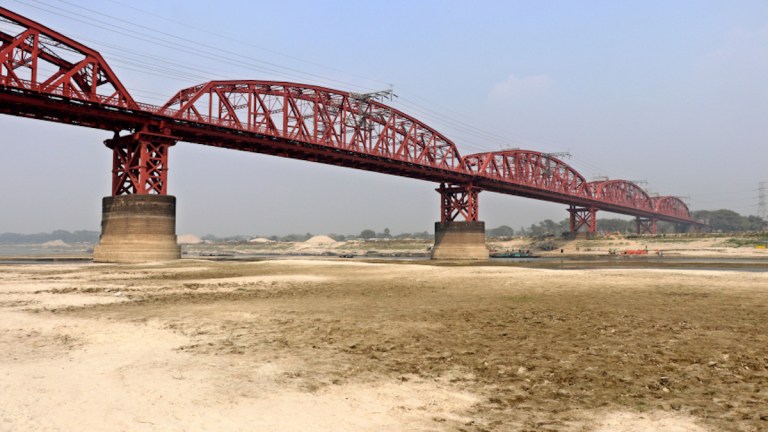
Dhaka — Bangladesh has approved the first phase of the $2.8 billion Barrage project to be built in a Padma river to tackle dry-season water shortages and rising salinity near the country’s southwest border. The project is expected to store monsoon water for use during dry months, support irrigation, improve river navigation, recharge groundwater and strengthen freshwater flows to the Sundarbans.
According to Asia Times, the decision comes as the 1996 Ganges Water Sharing Treaty between Bangladesh and India approaches its expiry in December 2026. Analysts say the project reflects growing concerns in Dhaka over the reliability of upstream water flows from India during the dry season.
For decades, Bangladesh has argued that water diversions through India’s Farakka Barrage have reduced river flows, increased salinity and harmed ecosystems and agriculture in downstream regions.
While officials describe the Padma Barrage as a critical climate-resilience and food-security project, experts caution that its success will depend on adequate river flows and effective management of heavy sediment deposits carried by the Padma.
The project also underscores the continuing importance of negotiations between Dhaka and New Delhi over shared river resources. Analysts note that without a renewed and effective water-sharing framework, infrastructure alone may not fully address Bangladesh’s long-term water challenges.