
New Surveyor Guidelines Aim to Ensure Fair and Transparent Loss Assessment
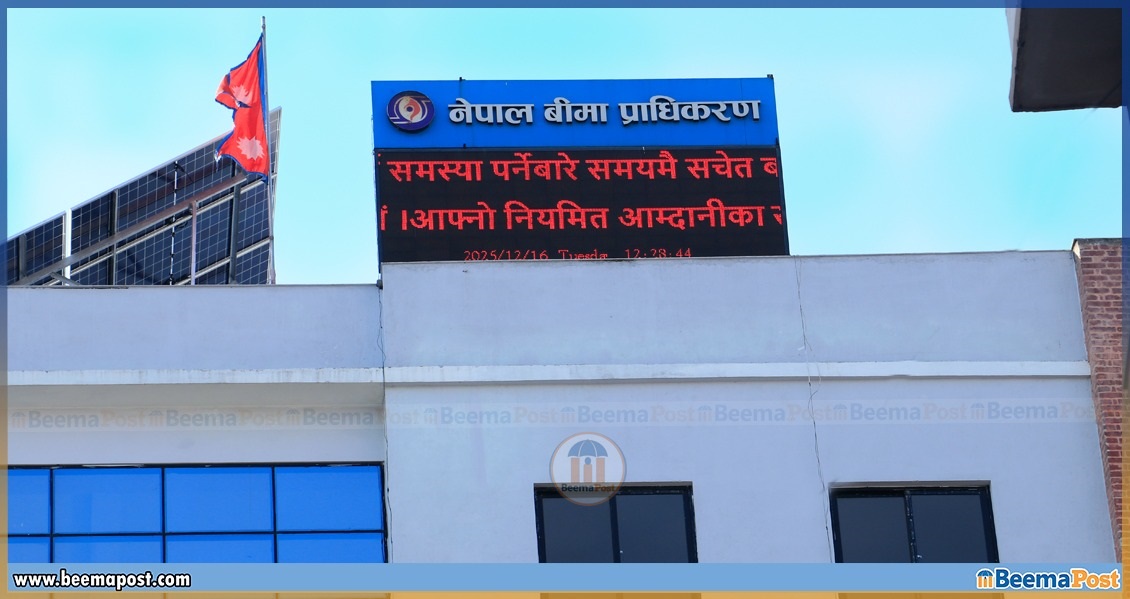
Kathmandu — Nepal Insurance Authority has issued the Insurance Surveyor Directive 2026. The directive aims to make the work of surveyors more systematic, competitive, and reliable while ensuring professional integrity, transparency, and accountability in the fair and accurate assessment of losses.
Individuals seeking to work as surveyors must pass an examination and submit an application, after which the authority will issue a license within seven days. However, those who have already obtained licenses earlier will not be required to sit for the exam again.
The directive states that individuals will be deemed ineligible if they have not completed one year since being removed from a blacklist, if they are serving as auditors or consultants for an insurer, if they have any financial interest in an insurer, or if they have not fulfilled their tax obligations.
A cap has also been introduced on pending assignments. Individual surveyors cannot be appointed if they have more than five survey reports pending, while institutional surveyors cannot take on new assignments if more than ten reports remain incomplete.
Surveyors are required to conduct assessments in a fair and impartial manner, prepare reports based on scientific evaluation and evidence, and request necessary documents from insured parties through a consolidated written communication. They must also inform insurers of any missing documentation. The directive prohibits the creation of surveyor rosters solely for the purpose of assigning surveys. Before beginning any survey, surveyors must declare that they have no conflict of interest with the insured party.
The code of conduct requires surveyors to complete their work within stipulated timelines, avoid personal bias, and produce objective reports. In case of disputes during the survey process, all concerned parties must be informed. Surveyors are also prohibited from holding promoter shares in insurers and from assessing losses involving themselves, their immediate family members, relatives, or any parties with whom they have a conflict of interest.